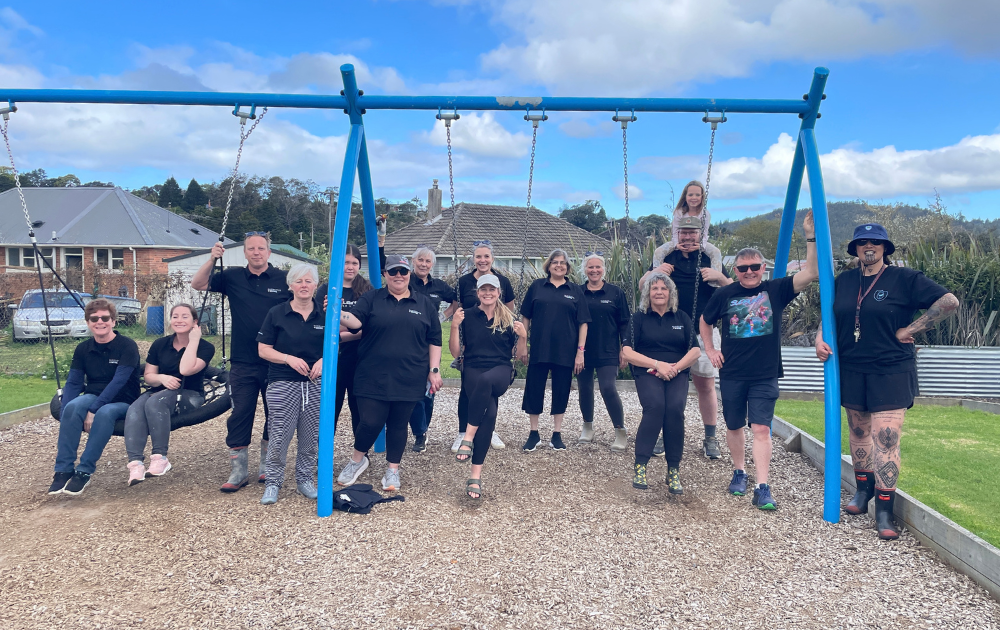
Whānau Support Pathways Programme Launch
The programme grew from discussions in Term 2 of 2025, when Tikipunga High School teachers and Navigators explored how to better support students as they considered their next steps.


The official launch of the I Have a Dream and Tikipunga High School Pathways Programme marked a significant milestone in our shared commitment to supporting the futures of young people in the Tikipunga community. The programme is the result of a collaborative decision made by both organisations, following extensive kōrero between teachers, Navigators, school leadership and I Have a Dream. Together, we recognised the need for a more coordinated, long‑term approach to supporting students as they transition beyond school.
The Pathways Programme provides targeted support to Dreamers through enhanced Navigator guidance, community‑based mentoring and flexible scholarships. Its purpose is to help students pursue vocational training, tertiary study or meaningful employment, while also expanding opportunities for those who may not qualify for other programmes or funding. Beginning with Year 12 students ensures support can be tailored to each Dreamer’s goals and stage of readiness.
To ensure the programme reflects the aspirations of Dreamers and their whānau, 2026 will operate as a pilot year. Ideas, activities and opportunities will continue to be shaped collaboratively with those directly involved, reinforcing the partnership approach at the heart of the initiative.
At the launch event, I Have a Dream CEO Shane Gorst acknowledged the many people who helped bring the programme to life, including the staff of Tikipunga High School, Pathways Navigator Bradee Taituha, senior Navigators and the team at Front Steps, whose funding made the programme possible. He shared that the programme grew from discussions in Term 2 of 2025, when teachers and Navigators explored how to better support students as they considered their next steps. “At Tikipunga High School,” he said, “the ecosystem surrounding each student is incredibly strong. Teachers, whānau, support staff and Navigators all play a part. But once students leave school, that ecosystem doesn’t always travel with them. The Pathways Programme was created to change that.”
Front Steps representative Susan Parkes spoke about the strong alignment between the organisations and the commitment she witnessed within the I Have a Dream team and reflected on the collective spirit she saw in the room.


Pathways Navigator Bradee Taituha described it as a privilege to support Dreamers through the programme and emphasised his commitment to understanding each participant’s goals and strengths. A key part of his role is matching each student with a mentor who can be a trusted, reliable adult in their life.
The programme includes a three year scholarship of $4,000 per year, designed to support a wide range of pathways. Whether a student needs tools for an apprenticeship, support for vocational training or assistance entering tertiary study or employment, the scholarship adapts to their needs.
As the first cohort begins their journey, whānau were reminded that their engagement with mentors is an important part of the process, and students were encouraged to participate fully and remain open to learning from the people who will walk alongside them.
Tikipunga High School Careers Advisor Whaea Rina offered a heartfelt mihi to Dreamers and their whānau, reminding them that success is not about racing from A to B, but about who walks with you along the way.
Call for Mentors
As part of this partnership, community‑based mentors are now being sought to support the first cohort of Pathways Dreamers. No matter your background or industry, if you believe in investing in the next generation, you have valuable knowledge to share.
Mentors receive onboarding, guidance and ongoing support from the Pathways team.
To express interest in becoming a mentor, please register here.
Mentors commit to:
- One hour per month in person with their mentee
- Regular check‑ins between sessions
- Building relationships with whānau
- A minimum 12‑month commitment