Caring for our Kaimahi
“We are proud that our people can turn up as they are, knowing they will receive the support they need to flourish and do their best every day for our Dreamers, our whānau, and our kura.”

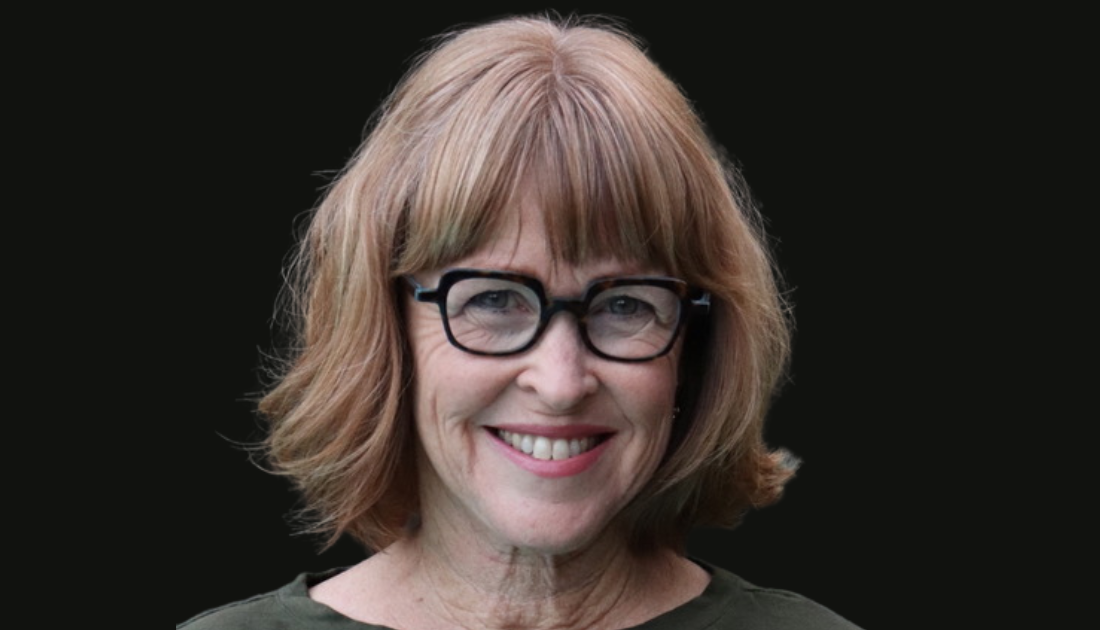
Kirsty Pillay‑Hansen feels incredibly privileged to be stepping fully into her sole role of Kaimanaki Hauora for I Have a Dream after years of balancing this position with the Volunteer Coordinator role. The role has grown organically in response to the organisation’s needs, and she believes it has developed into a manageable, effective model that could teach other NGOs and corporate organisations what it truly means to be a wellbeing‑focused workplace.
Kirsty provides a safe 1-1 confidential space to talk and can refer kaimahi to GP appointments for counselling, connect them with financial planning and budgeting support, and offer practical tools to support their hauora and wellbeing.
Hear Kirsty speak about her role
“It is quite a relaxed and informal process. I make sure I’m intentionally around on the days that our team is at HQ so I can keep an eye on the general sense of wellbeing in the team. I also work very closely with our Navigator Manager Khinhtay‑yee Matete who will mention if she feels someone needs support.”
Kirsty checks in with everyone regularly, and sometimes another Navigator will reach out to let her know someone isn’t in a good space and may need support. Otherwise, kaimahi will approach her directly and book 1-1 time.
“Sometimes people will tell me they haven’t been having any breaks and feeling really burnt out,” she explained. “So I’ll suggest they might need to look at getting back to basics by booking breaks in their schedules. Making sure they’re drinking enough water and eating kai, and having 5 minutes of quiet time. I know some of those things don’t sound like rocket science, but when we’ve got a Navigator who’s flat tack all day with a busy day and then preparing after school programmes, then doing their comms to whānau and providers, it is really important to carve out time for a bit of a break before they go into after school programme so they have the energy for their Dreamers. And then to feel in a good space to go home and have the energy for their own whānau.”
“We are proud that our people can turn up as they are, knowing they will receive the support they need to flourish and do their best every day for our Dreamers, our whānau, and our kura.”
After years in the role, Kirsty has a strong sense of how the year unfolds. As winter approaches, she encourages the team to prepare for the pressures that come with colder weather, more illness, children needing to stay home, and rising heating and fuel costs. She says that people often think they’re coping fine, but with her training she is aware of the signs to look out for and can gently challenge them to accept support. Everything shared with her is confidential, but if she has concerns about someone’s safety, she will explain that she needs to inform management so they can work together on a plan to support them.
“I can get alongside Navigators and create a mental health, hauora and wellbeing action plan, to support them and help them determine what things will make the difference for them.”
To help people feel at ease during one‑on‑one sessions, she lets them choose the setting. “If it’s lovely weather, we’ll get off site and go for a walk and talk session, or we might have a coffee or go to the library so it feels like a very relaxed atmosphere.”
“These people feel like my whānau and friends, so I try to adapt and make it work for each person I’m working alongside. It might look different for each Navigator, but I’m offering the same kete of support, but maybe approaching it a little bit differently. And that’s the benefit of knowing this team so well and being part of the whānau.”
Kirsty says the team is extremely fortunate to be part of an organisation that genuinely walks the talk around staff hauora and wellbeing. I Have a Dream provides a suite of hauora initiatives to support kaimahi, including 2 wellbeing days per annum, professional development and access to supervision and counselling.

This work can come with challenging moments when many people need support at once. Kirsty is clear with the team that she is available for 16 hours a week, spread over three days, so she can be as accessible as possible.
“Because I care about these people, when I understand the challenges our kaimahi and whānau experience I can get emotional. It’s important to keep my boundaries in place, both personally and professionally because it can catch up sometimes.” Kirsty has professional supervision and is diligent about her own self‑care. “That might look like being in nature, spending time with my whanau, having time on my own, exercise, reading a book – all those things that support me to be able to do what I do.”
She also encourages kaimahi to identify other supports in their lives including friends, whānau, marae, church and workmates and reminds them about services like 1737 for free 24/7 counselling.
Alongside her I Have a Dream mahi, Kirsty is a mental health first aid provider, and all I Have a Dream staff are encouraged to attend MH101 as part of their professional development. She explained that the training covers how to recognise, relate, and respond to people experiencing mental distress and mental health challenges, and includes an afternoon session on having courageous conversations with someone who may be considering ending their life by suicide.
Kirsty explains that these are transferable skills that support both mahi and life. After the most recent training, one Navigator told her they were able to use those skills 2 days later with a person experiencing thoughts of suicide. The Navigator felt more confident and knew how to have a courageous conversation to help keep this person safe.
“I feel incredibly fortunate because I love I Have a Dream, the culture and who we are. And I love our people. So my role is unique in that I’m not so much in contact with Dreamers or whānau but with our staff. I feel that that’s where my heart is, helping support them both as kamimahi and in their own lives”, Kirsty says.